
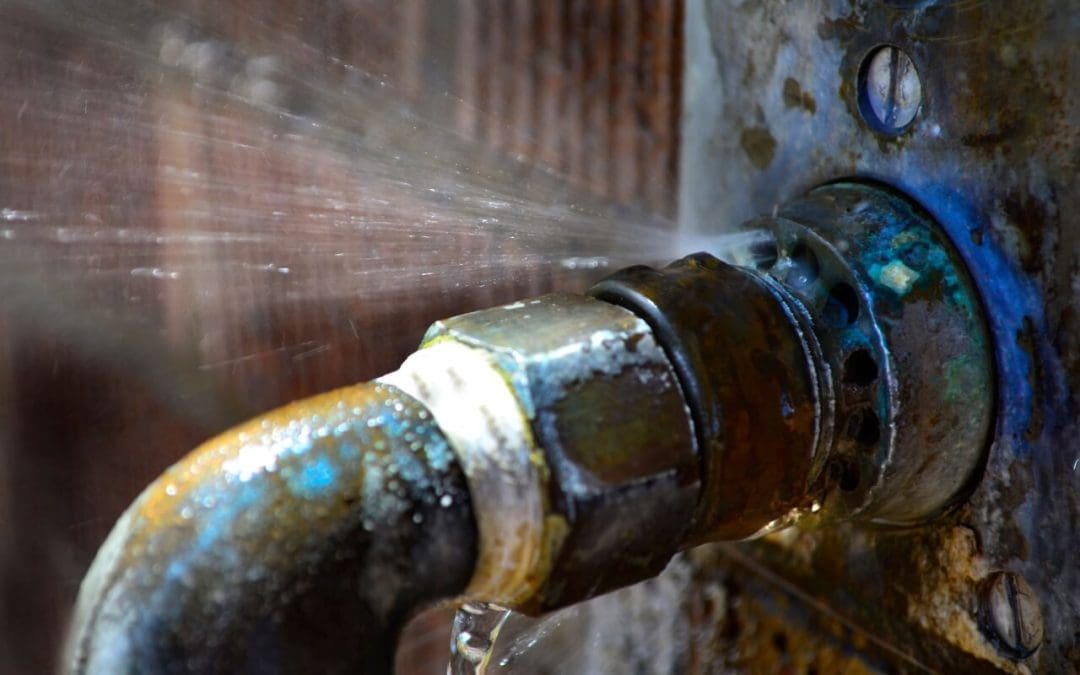
A small water leak can waste thousands of gallons, quietly damage floors and framing, and feed mold long before it shows up on a ceiling. In Central Florida, where many homes sit on concrete slabs and plumbing runs through walls and attics, leaks could hide for months. The good news is that you can do a lot of detective work yourself with a few simple checks. Here’s how to find the source early, what to look for, and when it’s time to call a professional.
Start With Your Water Meter to Find a Water Leak
The meter is the most reliable tool you have. Turn off every water-using item inside and outside the house, including faucets, appliances, and irrigation. Find the meter, usually in a box near the street, and lift the lid. Many meters have a small leak indicator, such as a triangle or dial, that moves when water is flowing. Write down the reading, wait at least thirty minutes without using any water, and check again. Any movement means water is going somewhere. Turn off the main shutoff and look again to learn whether the leak is inside the house or in the line between the meter and the home. Take a quick photo of the meter each time so you can compare readings accurately.
Check the Usual Suspects Inside
Toilets are the most common source of a hidden water leak. Add a few drops of food coloring to the tank, wait fifteen minutes without flushing, and see whether color appears in the bowl. Look under sinks, around shutoff valves, behind the dishwasher, at the refrigerator’s ice maker line, and at the base of the water heater. Check washing machine hoses and the air conditioner’s condensate drain. Watch for stains, peeling paint, warped flooring, and musty odors, and listen for the sound of running water when everything is off. A warm spot on a slab floor can signal a hot water line leak. Check ceilings below upstairs bathrooms too, where slow leaks often show first as faint brown rings.
Look Outside and Underground
Walk the yard and look for soggy areas, unusually green patches, or ground that has sunk. Check irrigation lines and sprinkler heads for breaks, along with hose bibs and any pool equipment connections. A sudden jump in your water bill, a drop in water pressure, or a meter that keeps moving when the house is off often points to an underground leak. If you have an irrigation system, shut it off and check whether the meter still moves, since it’s a frequent source of a hidden water leak.
Know When to Call a Pro for a Water Leak
If the meter moves but you can’t find a visible leak, you may have a slab or underground leak that needs professional tools. Plumbers use acoustic listening devices and thermal imaging to pinpoint leaks without tearing out floors. In the meantime, shut off the main valve if damage is spreading, take photos for insurance, and dry affected areas quickly to prevent mold. Fix any water leak promptly, and consider installing smart leak detectors or an automatic shutoff valve for early warning. Check your water bill monthly, since a sudden rise with no change in habits is often the first sign.
A&D Home Inspection provides Home Inspections in Central Florida. Contact us to schedule an appointment.