
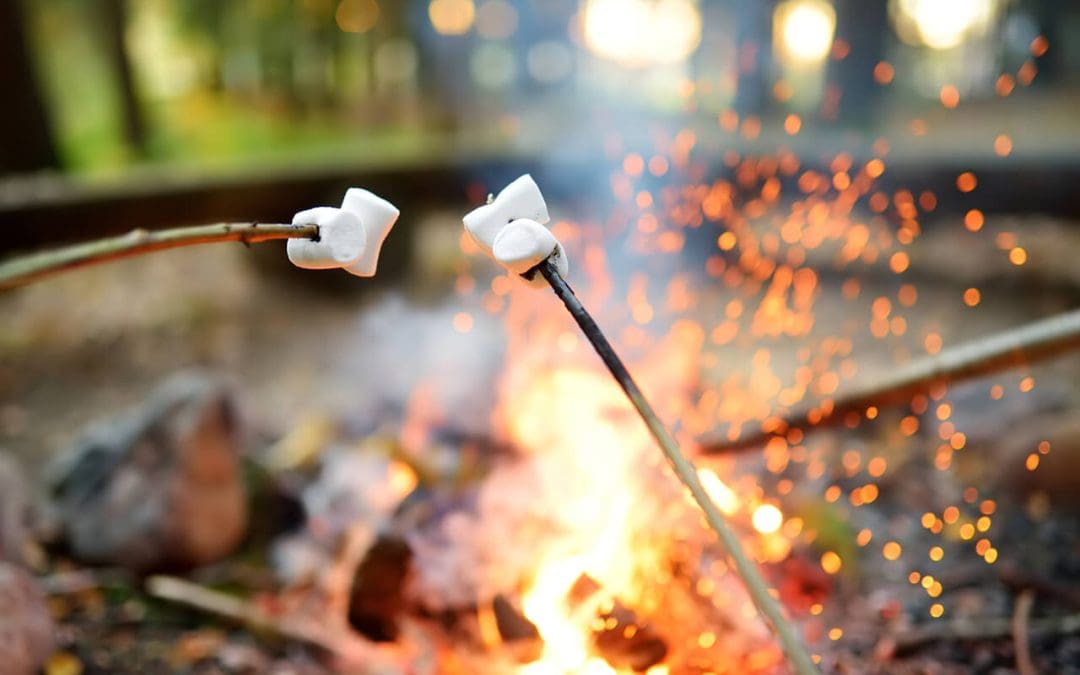
A backyard fire pit is one of the most enjoyable features a home can have, a natural gathering place for family and friends, a source of warmth on cool evenings, and a reason to spend more time outdoors. But fire pit safety deserves as much attention as the fire pit itself. Open flames in a residential yard introduce real risks that are entirely manageable with the right habits, the right setup, and a basic understanding of what can go wrong when neither is present.
Fire Pit Safety Starts Before You Light the First Match
Where you place your fire pit and how you set it up determines a large part of how safe it will be every time you use it. Position a fire pit at least ten feet from the house, fencing, overhanging trees, and any structures; farther is better wherever space allows. Proximity to the home is one of the most common and most preventable fire pit hazards, particularly when embers travel on a breeze. The surface beneath the fire pit matters too. Grass, wood decking, and composite decking all present risks from heat and falling embers. A non-combustible surface, such as pea gravel, concrete, pavers, or a dedicated fire pit pad, beneath and immediately around the pit provides meaningful protection. For deck use, gas fire pits with no open flame or flying embers are a significantly safer choice.
Habits That Reinforce Fire Pit Safety Every Time You Burn
Having the right equipment and location is only part of fire pit safety, how you use and supervise the fire matters just as much. Keep a bucket of water, sand, or a garden hose within easy reach any time the fire pit is in use. This isn’t just a good idea it’s the immediate response tool you’ll need if a fire escapes the pit or embers land somewhere they shouldn’t. Never leave a fire pit unattended with an active fire, and never assume a low-burning fire is a safe fire to walk away from. Wind conditions change quickly, and what’s a contained, modest fire one moment could become a serious hazard the next. Children and pets should be kept at a safe distance from the fire pit and supervised closely around it at all times. Burn only dry, seasoned wood in your fire pit. Wet or green wood produces excessive smoke and sparks more than dry wood, increasing the risk of embers traveling outside the pit. Never burn cardboard, treated wood, trash, or accelerants, these produce unpredictable flare-ups, hazardous smoke, and conditions that no fire pit safety measure can fully compensate for.
Extinguishing the Fire Completely Before Calling It a Night
A fire that looks out isn’t necessarily out, embers can remain hot enough to reignite for hours after visible flames have died down. Allow the fire to burn down to ash naturally if possible, then douse the remaining embers thoroughly with water, stir the ash to expose any hot spots, and douse again until no steam or smoke rises and the ash is cool to the touch. Never cover a fire pit or move it while any heat remains. And never leave a fire pit with embers unattended overnight. The few extra minutes of extinguishing properly are the simplest and most important fire pit safety habit you can build.
A&D Home Inspection provides Home Inspections in Central Florida. Contact us to schedule an appointment.